My father was a builder. He was good at his job. It wasn’t until later in life that I truly appreciated his skill. He never finished high school in his native Finland. Because of this, one would assume that he wasn’t a great student. And you apparently need math to build well. Yet, even without a high school diploma, he knew math well enough to build beautiful houses from the ground up. He never left snow in the corner.
Let me explain.
I wanted to help
One day, I was in 5th grade at the time, I went to visit one of Dad’s building sites. He was building a house to sell. And the site was just a few minutes walk from our home. It was winter, and fresh snow dusted the unfinished house. I wandered around without much to do. Then, Dad asked if I wanted to help.
Of course, I wanted to help! He needed me to wipe the snow out of a corner. He was building walls in the house and needed to size a piece of wood for the frame (for those builders out there, it was a 2×4). I had gloves on and haphazardly wiped the snow out of the way so he could take measurements.
After I finished clearing the snow, I called out to him, “I did it!” He wasn’t convinced that I got all the snow out. So he said, “Do it again.” Sighing heavily, I wiped the corner again and signaled a thumbs up. He moved the board into place and marked on it where the cut was to be made for it to fit properly.
Leaving the snow was not an option
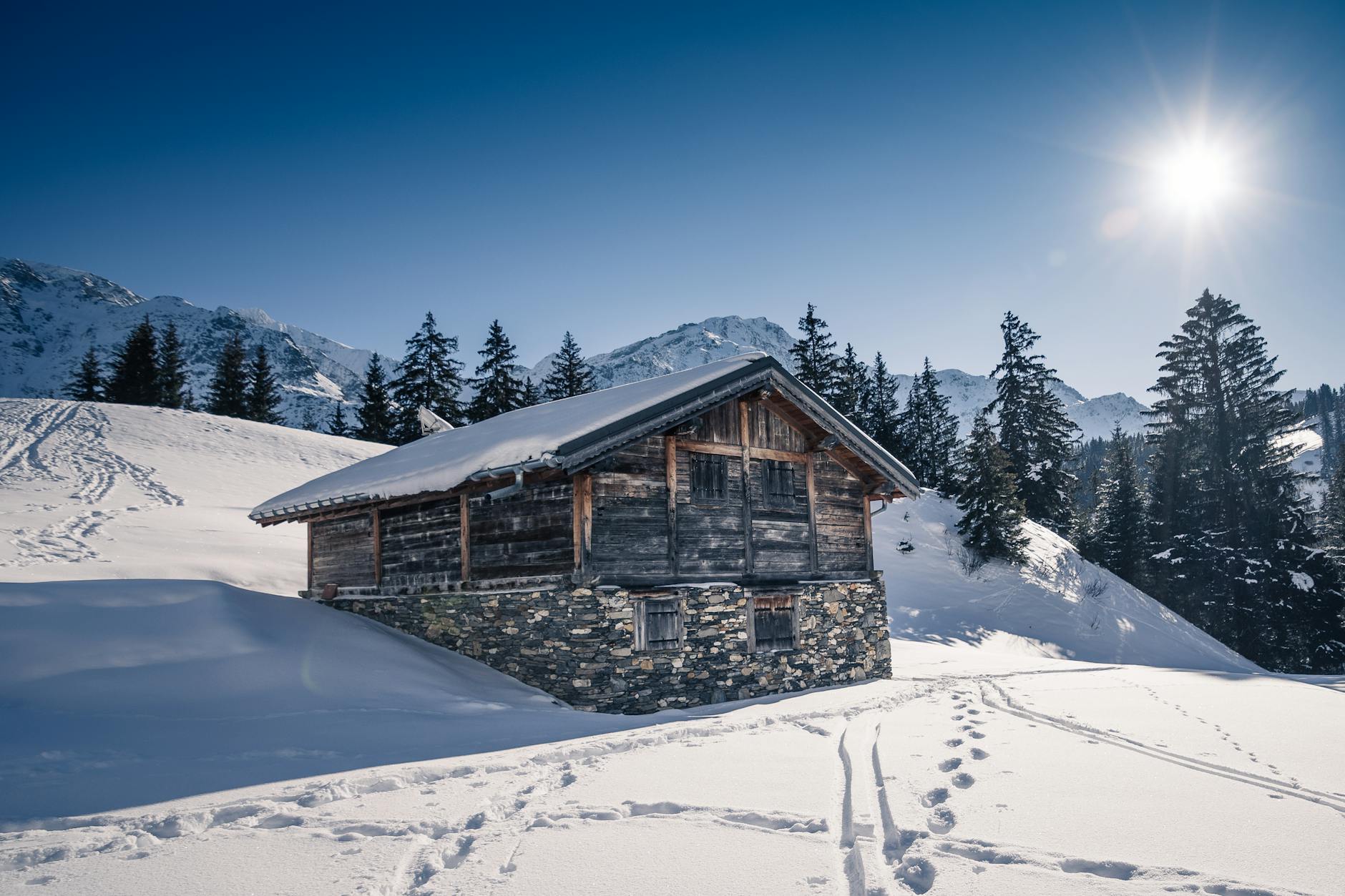
He went and sawed the board, and Dad went to fit the remaining piece into place. He came to where I was standing. And he saw that there was still snow in the corner. “I asked you to get the snow out of the corner! Now this board is useless, it won’t fit because you didn’t do as I asked.” My visit ended. My father was fuming, and I knew my absence was required.
I didn’t understand something then. The house he was building would need to pass inspection at various stages of the process. Dad understood that if there were too many careless faults, inspectors would demand repairs. These faults needed to be fixed before building could continue. A failed inspection has the potential to cost a lot of money. Leaving snow in the corner was not an option for Dad.
The consequences of leaving snow in the corner
Building is what all of us do with our lives. We have a choice: either build without much thought or with focus. I’ve chosen to focus. Early in life, I was careless. I thought little about the consequences of leaving snow in the corner. It wasn’t until I had left enough snow in enough corners that I realized that failed inspections are costly.
I’ve been reading this week from the book of Exodus, the well-known account of God’s people leaving Egypt. The account is full of life lessons. This year, something unique stood out to me. It reminded me of the time when I didn’t clear out the snow.
Not a hoof left behind
You can read in chapters 7-15 of Exodus, where the entire account of Israel leaving Egypt is outlined. God first worked in the life of Moses. When the time was right, despite his imperfections, God worked wonders. Most of the time in this process, whenever Moses asked for the people to be released, Pharaoh declined. Still, there were a couple of times that Pharaoh said he would let the people go. In those instances, he had conditions:
- After the plague of flies (Exodus 8:20-32), Pharaoh said he would let the people go, but they were not to go “very far away.”
- After the plague of darkness (Exodus 10:16-29) Pharaoh said he was willing to let the people go but “your flocks and your herds” must stay behind.
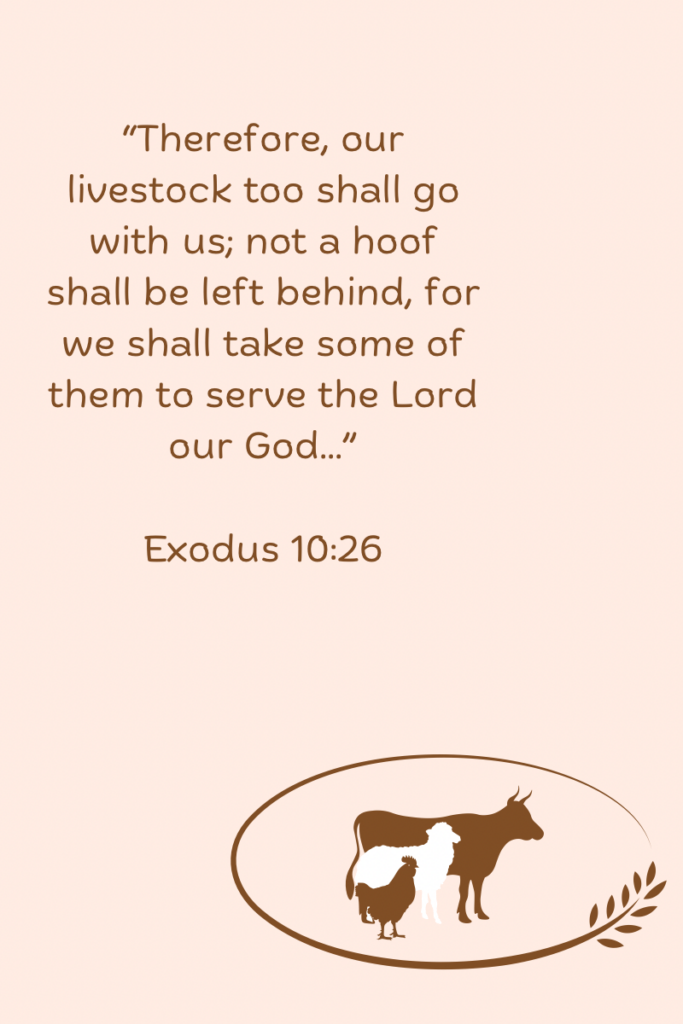
At this point, after the plague of darkness, Pharaoh said the people could go. Yet, he stipulated that they had to leave the livestock behind. Moses drew a line in the sand. He said in Exodus 10:26 (NASB), “Our livestock also must go with us; not a hoof shall be left behind.” By saying this, Moses made his intentions clear. He was wiping all the snow out of the corner. Nothing was going to be left undone. Not even a hoof was to be left. He was going to follow directions to the “crossing of the ‘t’ and the dotting of every ‘i.’”
Not haphazardly or half-heartedly
This time, as I read about the Exodus and Moses’ determination to persevere, I felt a sense of challenge. I realized that there have been times in my life when I’ve fallen into the pit of laziness. I’ve not served God with precision or intention. This story has renewed my determination to serve God fully, not haphazardly or half-heartedly. I won’t be perfect. There will undoubtedly be times when the snow remains in the corner, and God will have to cut another board. But, as I serve Him, I will try not to leave a hoof behind. I will offer Him my best.
What gave Moses the determination he had to follow through with this process? How was he capable of handling not only the resistance of Pharaoh but also the rejection of his people? The answer is simple. He was careful to stay close to God. From the time Moses was called (Exodus 3:4) until his death (Deuteronomy 34:1-12), he spent time with God. The Bible records him being someone who talked with God “just as a man speaks to his friend” (Exodus 33:11).
What do we need to succeed in life? To fulfill the purpose God has for us? We need to walk with Him, to stay close as we can every day. When we do this, we won’t leave a hoof behind. And, there will be fewer times that we leave snow in the corners of life.
I don’t want to fail the inspection, that could be costly.
You can receive new articles like this by joining the newsletter. I send occasional updates and new writing directly to subscribers.
If this post encouraged you, you’re welcome to partner with me on A Cultural Shift through Buy Me a Coffee. Your support helps keep A Cultural Shift’s outreach going. Thank you so much.
Related reading: For more like this post, you may enjoy:
Just Say Yes: Part 2 | Surrender