

I’ve needed to write this post for a long time, but I have avoided it for far too long. So, for those who are up for a challenge, read on.
Those who know me or have read posts here on A Cultural Shift have likely noticed a common theme that runs through much of what I write: the importance of growing in your relationship with God. It is time to move beyond simply saying we need to grow and begin looking at the practical “nuts and bolts” of how that growth happens. It is easy to say we want to grow, but it is another thing entirely to pursue it. Growth takes effort.
There are many excellent resources on this subject, and I will not try to reinvent what has already been done well. Instead, I want to share what has worked for me and focus on a few things that have been valuable in my own pursuit of getting closer to God. These have not been theoretical ideas. They have been essential in my journey. Along the way, both personal experience and learning from others have shaped my growth. What began as a desire to have a relationship with God has developed into a real and ongoing connection with Him.
When I took the first step toward God, He did not leave me there with only the desire to grow. He worked in me, giving me both the willingness and the ability to move forward in that relationship.
“…keep on working to complete your salvation with fear and trembling, because God is working in you to help you want to do and be able to do what pleases Him.”
Philippians 2:12b,13 NCV
First growth
I have been a Christian for a very long time. As good as that sounds, I regret spending many of those years simply existing. My faith was something I practiced on weekends, and my Bible was more of a prop when I went to church. There was little difference between how I related to God after salvation and how I had lived before it. I kept things simple and assumed that God understood my busy life. My faith was reserved for weekends and special services. The rest of the time, I lived as I wanted

Over time, I began to wonder if there was more to being a Christian than just attending church. I felt a growing hunger, not just for activity, but for a real relationship with God. When I went to church, I started to listen more carefully. When there was a special service, I went. If volunteers were needed, I stepped in. I wanted to know who God truly was and whether He could be for me what I had heard He had been for others: a Father and a Friend.
A turning point
Thankfully, I chose good friends and found a church that helped shape my walk with God. My aunt and uncle, George and Pirjo Amato, played an important role in that, and I am grateful for their influence. As the youth group at the church grew, so did my faith. It became more than something I practiced on weekends. I began to connect with God in a real way. This was a turning point in my life.
As with any relationship, connecting and staying connected to God takes effort. I have been married to my husband, Jamie, for 40 years. When we married, I loved him deeply, but looking back now, I can see that the love I had then was only a small portion of what it has become. Our relationship has grown because we both wanted it to grow and were willing to invest in it. It has taken effort, but it has been worth it.
While our marriage isn’t perfect, it’s a good analogy of how the same principles apply when we want to have a relationship with God. He wants to have a relationship with us and has made Himself available to us. Thankfully, God is perfect, so we know where to look if there’s a problem (hint: the problem isn’t Him). He is also patient, forgiving, and gentle. He never gives up on us, while we, on the other hand, have often been guilty of giving up on Him.
The periodic table of relationships
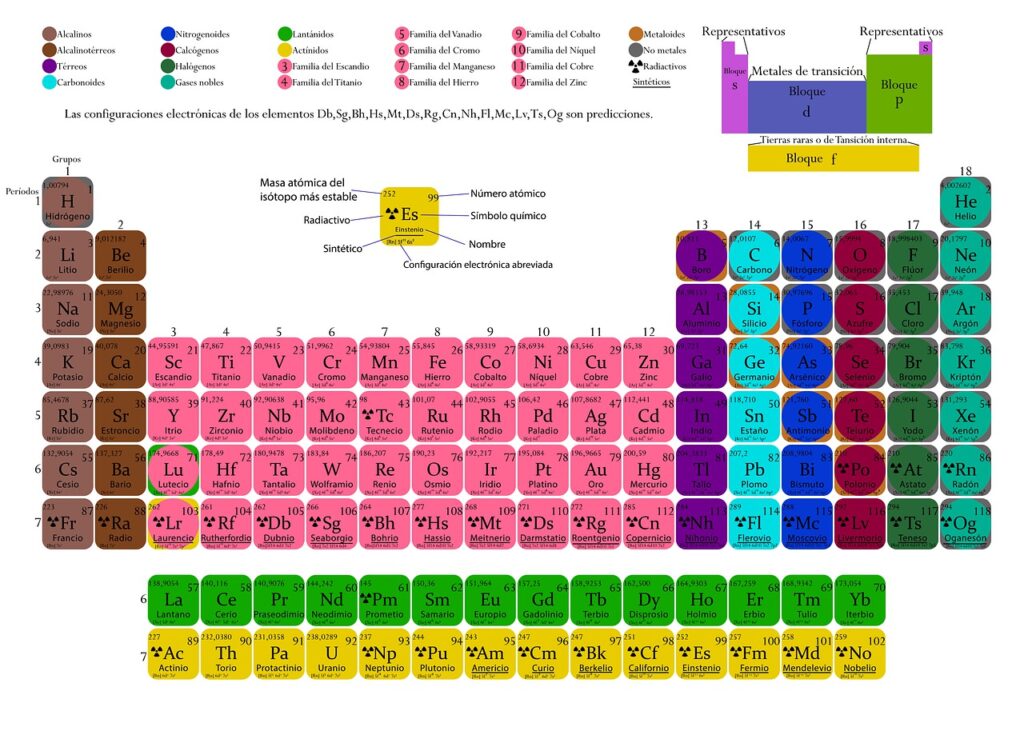
I took some time before writing this post to make notes on what I have found necessary for a relationship to grow. Growth is not complicated, but it does require effort, and that is often where the difficulty lies.
What follows are a few key elements I have found to be essential. I have chosen to describe them as a “periodic table of relationships,” a simple play on the scientific term. This is not an exhaustive list, but it provides a clear place to begin.
Love – Love, simply defined (because I need simple), is affection, fondness, and admiration, but it goes deeper than that. It has different levels of expression. The love I have for my husband is not the same as the love I have for a friend. Love is not only a feeling; it is also a decision.
- When I said “I do” to Jamie, I was committing to love even when the feelings were not present. God loves us unconditionally, but our love for Him often rises and falls with our circumstances. When we feel that God has met our needs or answered our prayers, we respond well. When we feel disappointed, we can withdraw.
- This creates instability in our relationship with Him. To grow, we must choose to love God consistently, not only when we understand what He is doing.
Faith – Is what we live by (Habakkuk 2:2; Romans 1:17) and holds our relationship with God together. Faith is also deeply connected to faithfulness (click the link for a great message on the subject).
- This is why these two elements go together in our periodic table. I can’t have faith in God without believing that He is faithful. I can’t have faith in God unless I love Him and believe He loves me. How much faith do we have in God and His faithfulness to us? Our lips will say we trust God, but our words and actions speak otherwise. It’s also important to note that our faith won’t work without love. Galatians 5:6 (NKJV) tells us plainly, “For in Christ Jesus neither circumcision nor uncircumcision avails anything, but faith working through love.” If our love for God is out of order, our faith in Him and His faithfulness will be lacking.
Time – It takes time to get to know someone. When I first met Jamie, we made time to get to know one another. At first, it was easy to make time for one another. But as time went on and we became familiar with one another, we had to work harder to make time for each other.
- With God, He is always ready to be with us. On the other hand, we find reasons to spend less, not more, time with Him. Moses’s life is a great example of how we need to take time with God to grow in our relationship with Him. Moses had several encounters with God before he led Israel out of Egypt (read about Moses’ life in Exodus 2 and 3). He apparently knew about God long before he led Israel out of Egypt. Later, Moses’ relationship with God was so close that he was considered God’s friend (Exodus 33:11). He had to learn to converse with God. Conversation is a give-and-take interaction between individuals. It took him time to cultivate that kind of connection with God. Think about it: he led the nation of Israel for 40 years in the wilderness. He had to spend a lot of time learning how to talk with God. Taking the time to learn how to communicate isn’t easy, but it leads to understanding and great relationships.
Communication – Honest communication is what oil is to an engine in a relationship. Without oil, engines will get stuck and ultimately stop working. Communication is the engine that makes a relationship run smoothly.
- It’s not easy to hear someone point out weaknesses. When communicating with God, we must realize that He knows more than we do. He sees the end from the beginning, and we don’t. He has invited us to talk in Isaiah 1:18 (NCV): “The Lord says, ‘Come let us talk about these things…” Talking with God begins with understanding that He already knows what is happening in our lives and has heard our thoughts and conversations. Nothing is hidden from Him (Psalm 139:7).
- The Bible also tells us to pray without ceasing (1 Thessalonians 5:17), and we can do this when we realize that we live in God’s presence daily. As we live, we live in a constant attitude of prayer. He, in turn, speaks to us internally through a thought, impression, or other people. He is always speaking to us. However, the primary way God communicates with us is through His Word, the Bible. In our spending time with God in His Word, He speaks to us through a verse or specific passage. He often reminds us of what we’ve read or heard spoken from His Word when dealing with people or situations. We won’t know what He has said unless we take time to read His Word and listen to Him.
Humility – I put humility on the heels of communication because it’s needed for successful communication. Everyone wants to be right, but we all know (if we’re honest) that no one, besides God, is right 100% of the time.
- It takes humility to listen to and understand someone. It takes humility to recognize where we have messed up. It’s taken me years to humble myself; I’m a slow learner. I have learned to be humble and understand that I could be wrong. My opinion isn’t infallible, and my position may be wrong. It takes humility to say, “I see I am wrong here; please forgive me.” This kind of humility will catapult your relationship with God (and anyone else, for that matter) to new heights. Humility isn’t in saying “I’m sorry, but.” Humility is saying “I’m sorry.” Humility is the antithesis of pride. When we struggle to humble ourselves, we will struggle in relationships. The greatest in the Kingdom of God are the humble (Matthew 18:4). Being humble reflects our faith in God, trusting that He is faithful, loves us, and wants what is best for us, even when we don’t understand.
Commitment – Commitment is the cement that holds together our love for those with whom we are in a relationship. I’m committed to Jamie, he is committed to me, and I’m confident that nothing can shake our commitment to one another. When storms come, and I’m not feeling the love, I remember my commitment.
- God, in a greater measure, is committed to us. He proved His commitment by sending His Son. His commitment and love together paved the way for our salvation. The love of God, His commitment to us, is never-ending. Romans 8:38,39 is clear on this subject. It says that there’s nothing that can ever separate us from God’s love. God loves us and loves this world. He is committed to us even when our commitment to Him is faltering.
Putting it all together makes it work
The Scientific Periodic Table of Elements is a table of elements used in daily life. The well-known element of oxygen is one we can’t live without. We need oxygen to breathe and to survive.
In a similar way, the elements we have just looked at are essential to sustaining a relationship with God. Just as scientists use the periodic table to understand how the natural world functions, we must understand and apply these elements if we want our relationship with Him to grow and remain strong.
Putting all these elements together helps us live and breathe in the oxygen of God’s presence. God is not limited by them and, like with the natural periodic table, can add to them. When you think you have everything together, God will add another element to His relationship with you. When He does that, your connection and understanding of Him grow.
Practically speaking
My life has a rhythm, and it revolves around my relationship with God and how He wants me to relate to Him and to others. Hint: God loves us and wants us to love others. It’s that simple when it comes to being connected. God is a family man. He loves the whole world just like He loves us. If we can’t comprehend God’s all-encompassing love for the world, our relationship with Him will be very shallow. His overwhelming love for this world gives purpose to everything we do and live for. Ask God to help you understand His love for others. This will strengthen your relationship with Him.
So, what do I do to keep my relationship with God fresh? Here’s a short (kind of) list of things I do that have helped me over the years. Hint: a lot of what I do involves SOAP.

- Reading the Bible daily – Nothing feeds my heart and spirit like God’s Word. Sometimes, I don’t fully understand what I’m reading, but I read it anyway. I read many books, but I take up God’s Word before I read any book. I measure everything else by the Bible.
- There are so many options for reading the Bible. You can find many on the well-known YouVersion Bible app. I have followed several of their yearly and shorter, more specific plans. Personally, my favorite plan is the Life Journal by Wayne Cordeiro. You can find this plan by clicking on the previous link. You can also find it in his book, The Divine Mentor. It is in reading the Bible, not just reading it, but entering into it and digesting it, that you begin to go from reading a book to reading God.
- Journaling – In the book The Divine Mentor, Wayne Cordeiro introduces the acronym SOAP. It stands for Scripture, Observation, Application, and Prayer. I have a notebook and a pen on my lap when I read the Bible. I pay attention and actively look for a Scripture that speaks to me. Sometimes, a scripture comes out quickly. Other times, it isn’t so obvious, and I must look for what God is saying that day. I then write the verse(s) in my notebook and take time to observe and consider what they might mean and how to apply them to my life. Then, I’ll pray over what God has shown me.
- Praying – You’re noticing that many of these points overlap. When I’m reading and journaling, I’m praying. And when I’m praying, I remember what I’ve read and pray over those words.
- Gathering – Spending time together with other Christians is another important element of relationships. We aren’t out of this world yet. Right now, we live in this world, and our calling is to reach the world with God’s love. At the same time, living in this world is hard and can drain us. For this reason, gathering with others, our spiritual family, is important.
- In church, we hear the Word of God preached; in home meetings and when visiting with Christian friends, the discussion often moves to the spiritual. It is at times like these that we grow and change. Proverbs 27:17 (NKJV) says, “as iron sharpens iron, so a man sharpens the countenance of his friend.” We help one another stay sharp, strong, and aware of our surroundings.
- Some say they don’t need church because it is full of hypocrites. Well, my response to that is that even hypocrites have to go somewhere. Our hope isn’t in the church; it is in God. Don’t be fooled into thinking it isn’t important; it is. Hebrews 10:25 NKJV says, “not forsaking the assembling of ourselves together, as is the manner of some, but exhorting one another, and so much the more as you see the Day approaching.”
- The church is full of imperfect people (like me) who won’t be perfect until they enter eternity. But we still need one another to grow. Perhaps in our pride, we have forgotten how imperfect we are when judging others. Find a church where you can fit in, humble yourself, and serve. It won’t be perfect, but you will grow.
- Worshipping – Worshipping God, too, is a necessary element, along with the other growth disciplines. Those of us who’ve been in the church world for a while have heard about the “worship service,” the “song service,” or “praise and worship.” None of these is incorrect. It is incorrect to assume that worship is only found in those times when singing together in a service. Don’t misunderstand me. I love worship music! I have learned songs in the languages of Africa, America, France, and Finland. I love them all, but worship is far more than a song.
- Worship is prizing or valuing something above anything else. God is worth more than anything we could offer Him. He chose to stoop to our level and save us. This love goes beyond our understanding. Worship is more than what we say. Worship is a lifestyle. Colossians 3:23 (NKJV) tells us “whatever you do, do heartily as unto the Lord.” In other words, “whatever you do, do it with all your strength for Him.” Isn’t this true worship? A song service on the weekend lasts 30 minutes if you are in the USA, one hour or more if you are in Africa. Neither is enough to tell of how worthy God is. Romans 12:1 NCV states, “So brothers and sisters, since God has shown us great mercy, I beg you to offer your lives as a living sacrifice to him. Your offering must be only for God and pleasing to him, which is the spiritual way for you to worship.”
- Worship, like prayer, is an all-day, every-day activity. While it takes time to change your mindset, the more you worship, the more you will grow.
- Winning – Winning others will bring you closer to God than you ever thought possible. Why? When you win a soul, you are connecting with God’s heart and what He values. A relationship isn’t all about what you can give to me. A relationship is also about what I can give to you.
- We love God. He is our Father, and as our Father, He delights in blessing us and caring for us. But there comes a time when a child grows up and begins to give back to the Father. If all we want from our faith is what we can get out of it, we will end up like spoiled and entitled children. Not pleasant at all. Still children, but immature and unable to contribute to the household.
- God loves us, yes, but His heart is for the world (John 3:16). We are not all traditional evangelists, but we all live in this world, and God has called us to represent Him. When our lives exemplify Jesus, when we lift Him up in the way we live, people are drawn to us (John 12:32). In this way, as well as others, we can win people and bring them to the Kingdom, to the Father. Have a heart to win, and you’ll feel connected to God on a whole new level.
- Discipling – Those you win will deepen your understanding of God and His love for the world. As you spend time with a new Christian, “showing them the ropes,” as it were, your heart expands.
- Seeing someone discover all the things we take for granted is exciting. Attending church together and helping someone fit in with the older crowd are vital to their growth. Teaching them how to take their first steps as believers pulls things from you that you never thought possible. It is possibly the most fulfilling and growth-producing thing you can do. I highly recommend it.
- This is a huge part of personal maturity as a believer. It helps to have a team of people with whom you’re working to help you serve others and help them grow. It’s helpful to have others around you to pray with and answer life’s messy questions. Jesus said He wanted us to win souls and make disciples (Matthew 28:19). Winning is pretty easy. Making disciples is hard, but it is where God’s heart lies, and I want to work for what moves God’s heart.
Final thoughts
If we want different results, we must be willing to do things differently. If we want to grow, we must be willing to change how we live.
There’s never a right or wrong time to connect with God. Mornings aren’t spiritually superior to the midnight hours. Choose a time that works for you every day to wash up with SOAP and consistently connect the elements of your relationship, so God can strengthen you for this life on earth. Many of us will spend hours on social media, watching or listening to the news, online shopping, or going out to eat. But we struggle to set time aside to grow spiritually.
I welcome you to come and grow with me. It’s an amazing journey, and it’s worth it.
You can receive new articles like this by joining the newsletter. I send occasional updates and new writing directly to subscribers.
If you’d prefer to watch this teaching, you can view it here:
If this post encouraged you, you’re welcome to partner with me on A Cultural Shift through Buy Me a Coffee. Your support helps keep A Cultural Shift’s outreach going. Thank you!



Pingback: How did I know? - A Cultural Shift
Pingback: Do you know what you are asking for? - A Cultural Shift
Pingback: Me, warts and all, this is who God chose - A Cultural Shift
Pingback: books-of-choice
Pingback: We decided long ago to love - A Cultural Shift